
Elections in Kerala: A Journey Through Democratic Participation
Elections in Kerala: A Journey Through Democratic Participation

Naveen P
Branch head, South Indian Bank Changaramkulam Main.
Kerala’s electoral journey reflects a strong tradition of civic awareness and democratic participation. From its historical beginnings to modern advancements, the state continues to demonstrate how informed and engaged citizens strengthen the foundations of democracy.
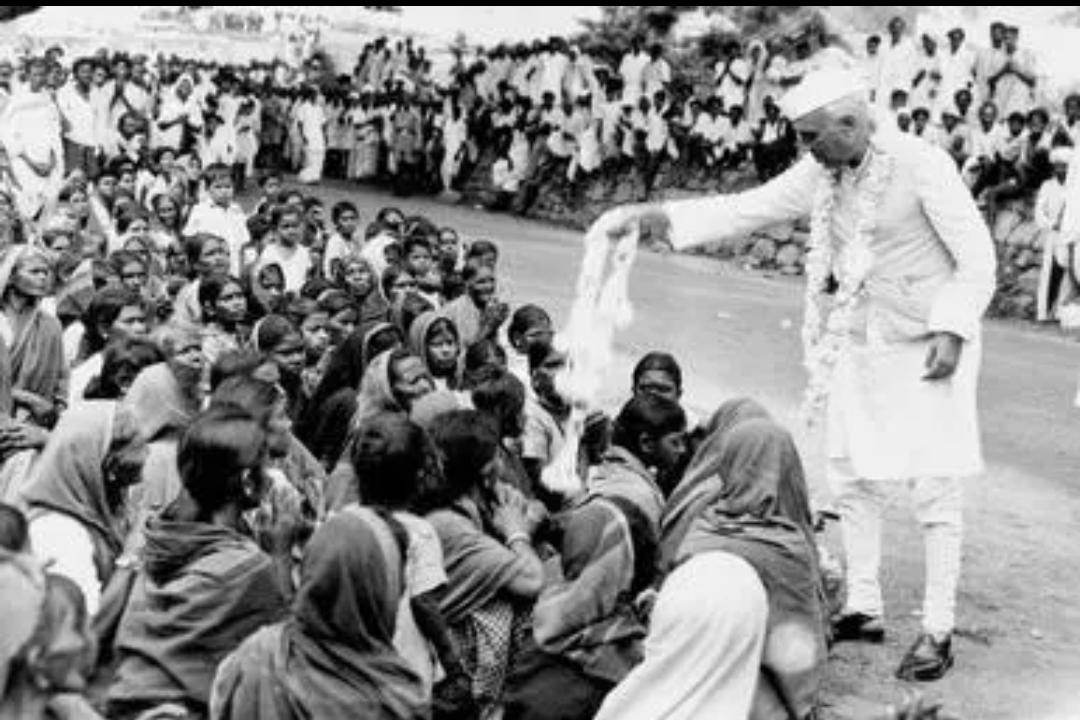
India’s democratic journey is one of the most remarkable political experiments in the modern world. From the very first general elections held in 1951–52, the country demonstrated that a large and diverse population could successfully participate in a democratic process.
Kerala’s electoral history is closely linked with the formation of the state itself. Before the formation of Kerala in 1956, the region that now constitutes the state was part of different administrative units, including the princely states of Travancore and Cochin and the Malabar region under the Madras Presidency. Elections in these areas were conducted under different administrative arrangements.
With the formation of the state of Kerala in 1956, a new chapter began in democratic governance.
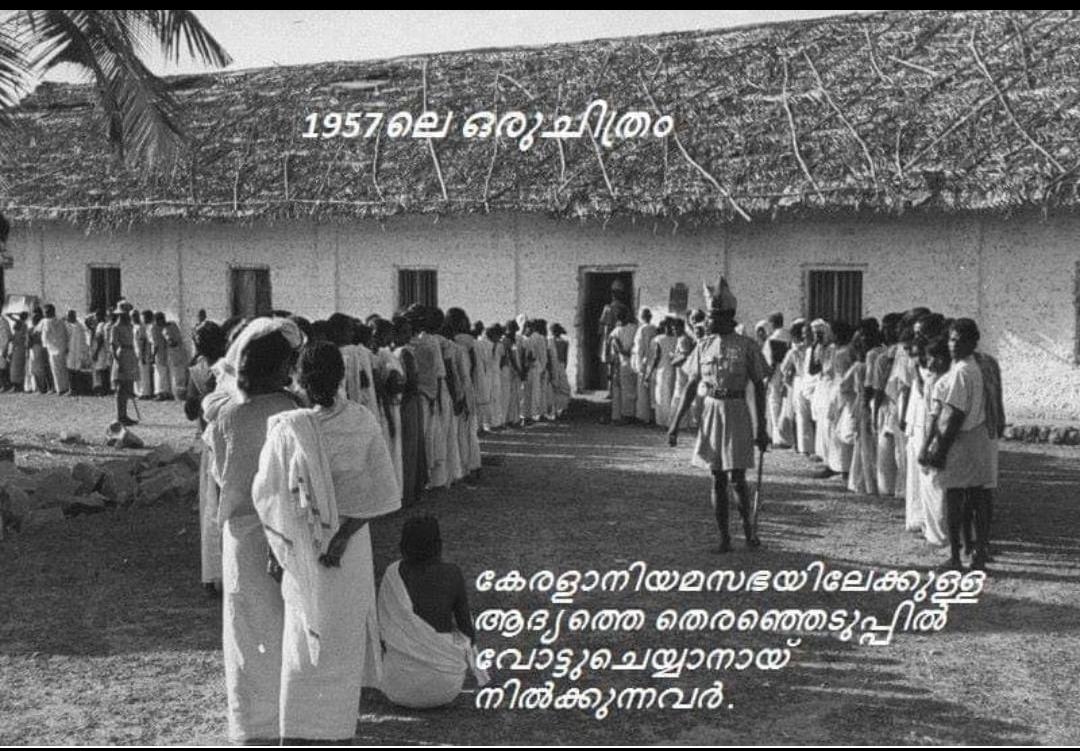
The first elections to the Kerala Legislative Assembly were held in 1957. These elections were historically significant, as they demonstrated the maturity of democratic participation in the newly formed state.
Over the decades, Kerala has consistently recorded high levels of voter turnout. This reflects a strong civic awareness among its citizens and a deep respect for democratic values. Elections in the state have often been marked by peaceful participation, informed public discourse, and active engagement from voters across age groups.
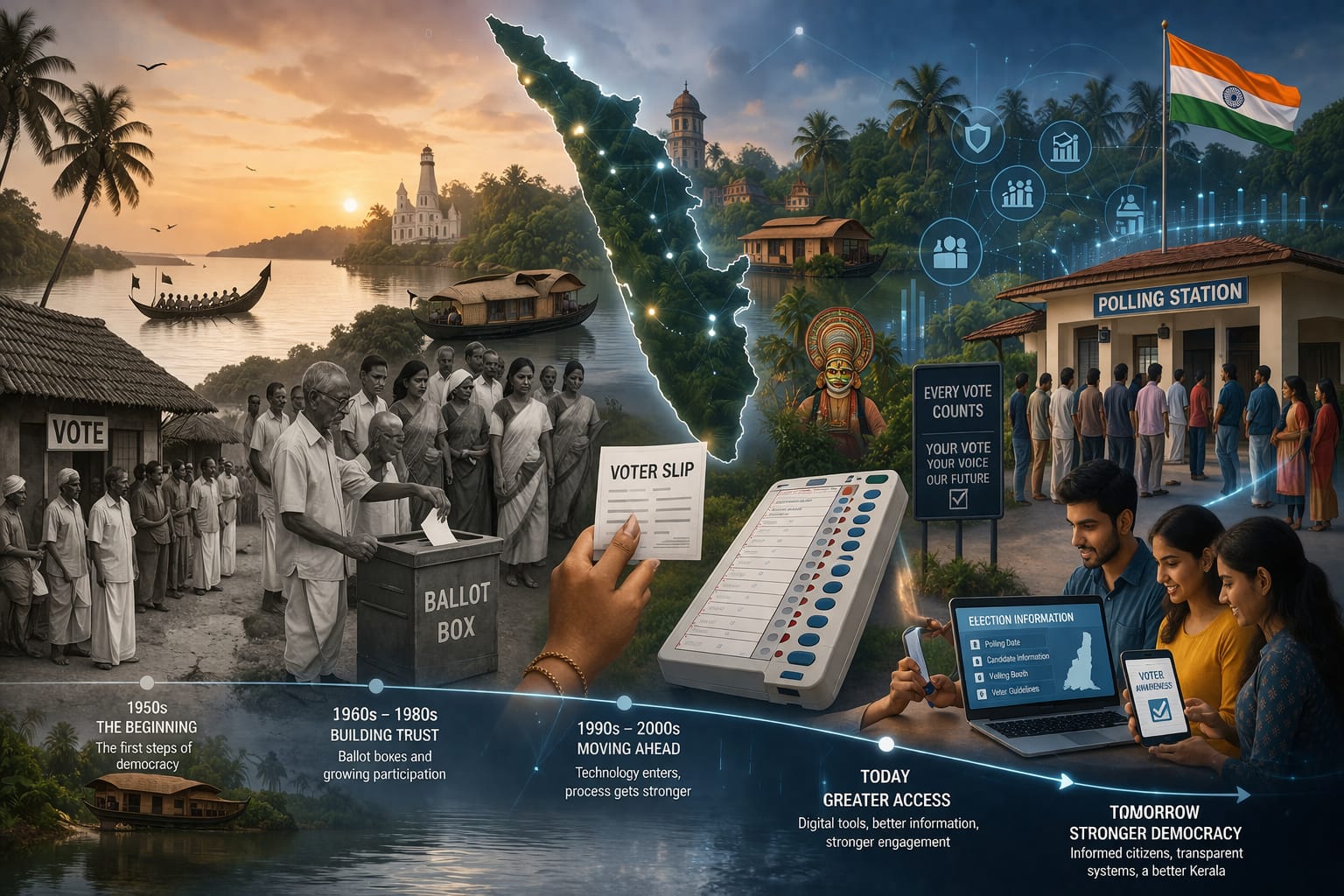
The electoral process has also evolved significantly over time. From paper ballots in the early years to the introduction of Electronic Voting Machines (EVMs) and later Voter Verifiable Paper Audit Trail (VVPAT) systems, technological advancements have strengthened transparency and efficiency in the election process.
Equally important are voter awareness initiatives conducted under the SVEEP (Systematic Voters’ Education and Electoral Participation) program of the Election Commission of India. These initiatives aim to encourage citizens—especially young voters—to understand the importance of voting and to actively participate in elections.
In a democracy, elections are not merely events held at regular intervals. They are expressions of the collective will of the people. Each election provides citizens with an opportunity to participate in shaping governance through peaceful and democratic means.
As we approach the General Election to the Kerala Legislative Assembly 2026, initiatives that encourage voter awareness and participation play an important role. By taking part in such initiatives, citizens reaffirm their commitment to democratic values and responsible civic participation.
Democracy thrives when citizens remain informed, engaged, and committed to exercising their right to vote.